Community voices
Individual stories can help people understand a wider programme. For BHDU and Advice NI, contributor interviews and community footage connect local experiences with the shared story, while giving each group or place its own film.
SlackPress Social Enterprise
Creating opportunities for people to build skills, find their voice and take their next step.
SlackPress began in 2013 as a social enterprise, responding to a gap between creative qualifications and meaningful employment. Talented people needed practical experience, professional networks and a chance to show what they could do.
Community organisations, charities and growing businesses also needed access to professional storytelling. Bringing those needs together shaped the company we are today. Professional production and creative opportunity have been connected from the start.
SlackPress Productions was established in 2017. It works alongside SlackPress Social Enterprise under a shared identity, connecting professional production with a commitment to creative opportunity.
Opportunities across SlackPress’s history
Graduates and emerging professionals given full-time employment opportunities.
People supported through work experience, placements and employability programmes.
Cumulative figures since 2013 · recorded August 2026

Experience in production, filming, editing, animation and project management helps emerging talent understand the industry and build confidence. Our placement and employability work has involved Clanrye Group, Bolster Community, Jobs and Benefits Offices and further education providers.
Our community journalism workshops also created space for people to explore telling their own stories.
These employment and learning opportunities are part of SlackPress’s own history. The commissioned films below show how our values also inform the work we produce for clients.

Social Enterprise NI was an early client, commissioning coverage of its annual conference and awards. Amanda Johnston describes that work:
From Social Enterprise NI
“They consistently demonstrated quality, professionalism and creativity and helped us tell the stories that matter most to our members. I would continue to highly recommend their services.”
Values in commissioned work
Our social enterprise roots influence both the opportunities we create and the way we approach commissioned work. That means making room for people’s experiences, preparing contributors thoughtfully and shaping information around the audiences who need it.
Individual stories can help people understand a wider programme. For BHDU and Advice NI, contributor interviews and community footage connect local experiences with the shared story, while giving each group or place its own film.
Our testimonial work with Action for Children’s UK and Northern Ireland teams introduces its Disability Confident recruitment approach through people already working and volunteering with the charity.
Hear the experiences behind the campaignFamilies sharing experiences in The Paulie Project and campaigns addressing violence against women and girls call for empathy, preparation and respect for the people taking part.
Films for GLL / Better Belfast and the Social Care Council bring facilities, professions and everyday relationships into view through the people involved.
Reaching different audiences
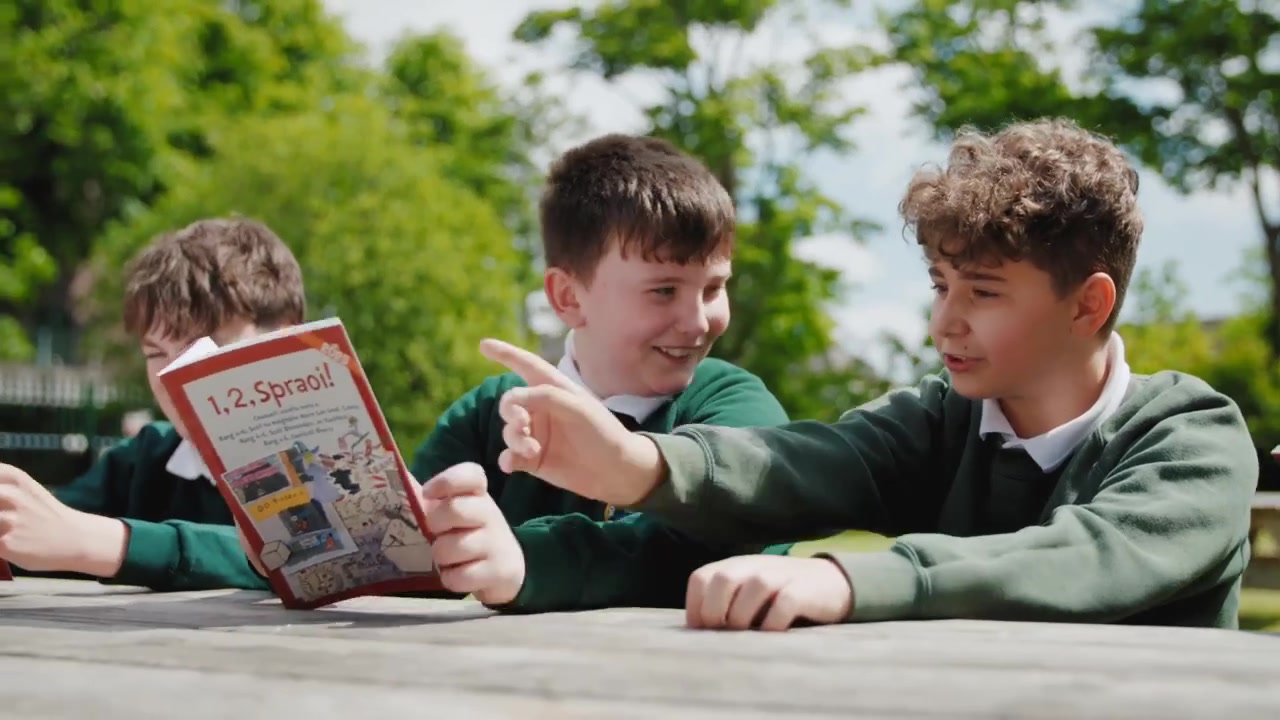
Our Teaching Council work includes Irish-language versions, subtitles and sign-language versions. Planning versions and formats together helps information reach people in different ways.
Explore language and accessibility versionsFor NISCC’s Pathways into Social Work campaign, personal stories, a university film and degree-route animations offer different ways to explore a future in the profession.
See how we explain routes into social workWe consider risks, permissions and contributor needs when planning a production. Responsible handling of footage and personal information, secure sharing and clear communication are part of that preparation.
We also look for practical ways to reduce waste and unnecessary journeys, make good use of equipment and reuse suitable archive material. These are working practices we can discuss around each brief.
Talk to us about community storytelling, creative skills or a potential partnership.
Start a conversation